ISO ∞ or at the limits of what is possible
Restrictions in photography should not be seen merely as obstacles; instead, they can be used like a Preset.
Technical Limitations as an Aesthetic Element
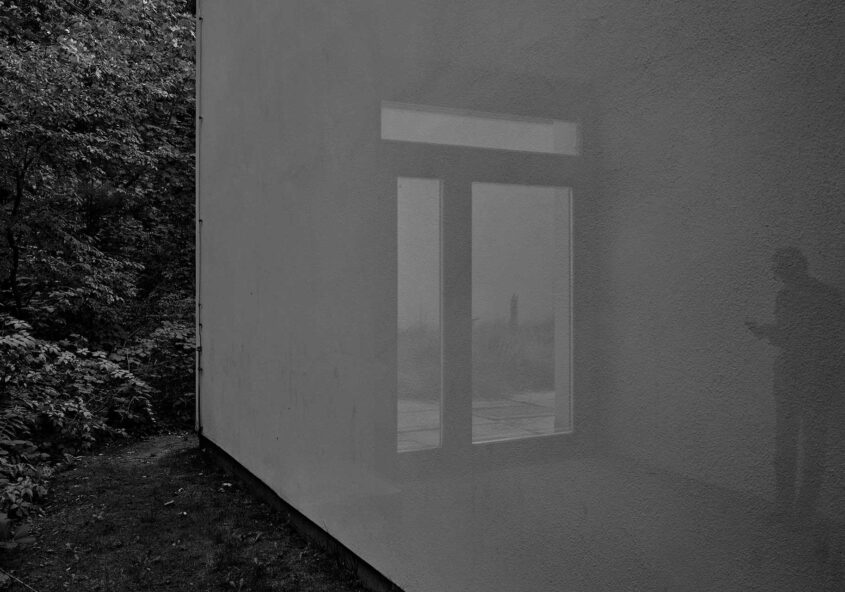
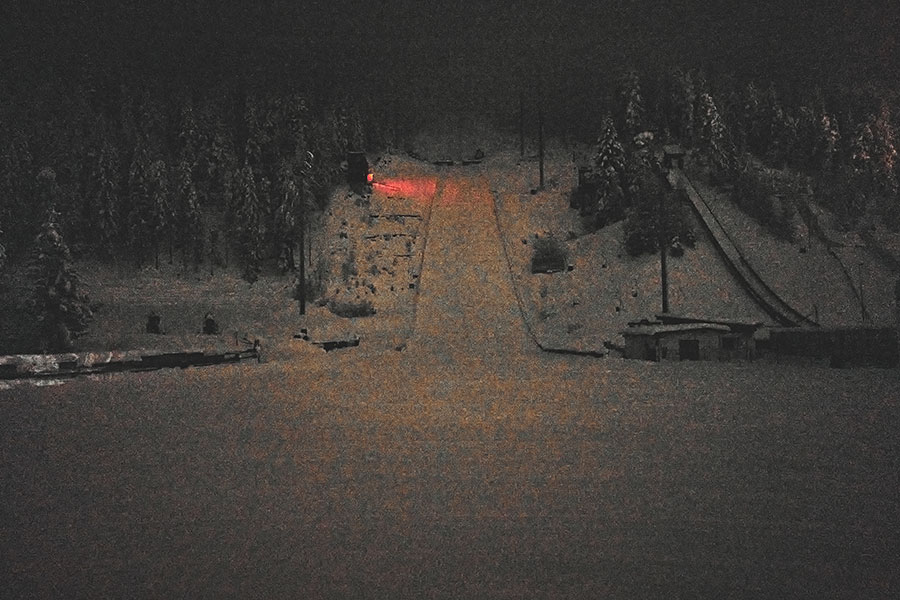
Rather than striving for technically achievable perfection, one can work with the limitations of each camera. For example, very high ISO settings on digital cameras produce image noise that resembles the grain of analogue film and lends the images a rough, textured quality. But of course, it is not grain. It is something digital – an attempt to give form to the unrecognisable. Digital artefacts emerge that attempt to conceal flaws in the imaging performance. This imperfection is part of the imaging process and is therefore an unintentional or intentional stylistic device.
High ISO as a Form of Artistic Expression
The deliberate decision not to use a tripod in low-light situations, and the resulting use of very high ISO settings, can be employed as an artistic device to achieve a specific visual effect. This results in Graininess (OOC) gives the images a rough, organic texture reminiscent of analogue film aesthetics, which reinforces the impression of transience and immediacy. This Graininess is not independent in its manifestation, but rather a reflection of specific decisions made by the engineers at the respective sensor and camera manufacturers. In prints, this aesthetic manifests itself as tactilely perceptible noise that explores the boundaries between attention to detail and abstraction. At the same time, the image noise helps to highlight subtle tonal values of residual light and darkness, thereby transforming light into a formative force. The resulting Graininess not only creates visual intensity, but also evokes a sense of intimacy and closeness that brings to mind the atmospheric density of the perception of darkness. Details are digitally abstracted through this style of photography, resulting in a more subjective view of low-light scenes.
Residual light and the limits of the visible
Residual light – that faint, often unnoticed light which lingers in the darkness and yet reveals structures, movements and atmospheres. Metaphorically, residual light stands for the invisible that is nonetheless present, for the fragments that hover on the threshold between perception and oblivion. In black-and-white prints, this is revealed through contrasts, subtly emerging details and the graininess of the image noise, which acts as a visual metaphor for the gaps in our perception. Areas completely shrouded in darkness contrast with overexposed light sources, forcing the eye to navigate between visible and implied planes. The result is images that not only depict the scene but also represent an attempt to acknowledge the technical and human limits of visibility. The human eye is a marvel, yet it remains dependent on the available light. Camera technology can overcome these limits, which also has its own appeal. Leaving the invisible in the dark, however, can restore a human dimension to photography.
At the Limits of What Is Possible
Art often operates on the fringes of what is possible. It is about exploring boundaries. In photography, ever-improving camera technology suggests the possibility of an objective representation of the world. The world in itself , however, exists only as a concept. Our perception and representation of the world are always limited and laden with connotations. It is impossible to capture all points of reference. Limitations are inherent in perception. Human beings perceive selectively and are constantly interpreting. Art thrives through and with boundaries. Art needs limitation as a driving force and a source of meaning. Deliberate manipulations and self-imposed limitations can help us to explore new paths where the everyday seems too ordinary and the ordinary conceals the unspoken.